
Exploring the Heart of 'Burnt Out'
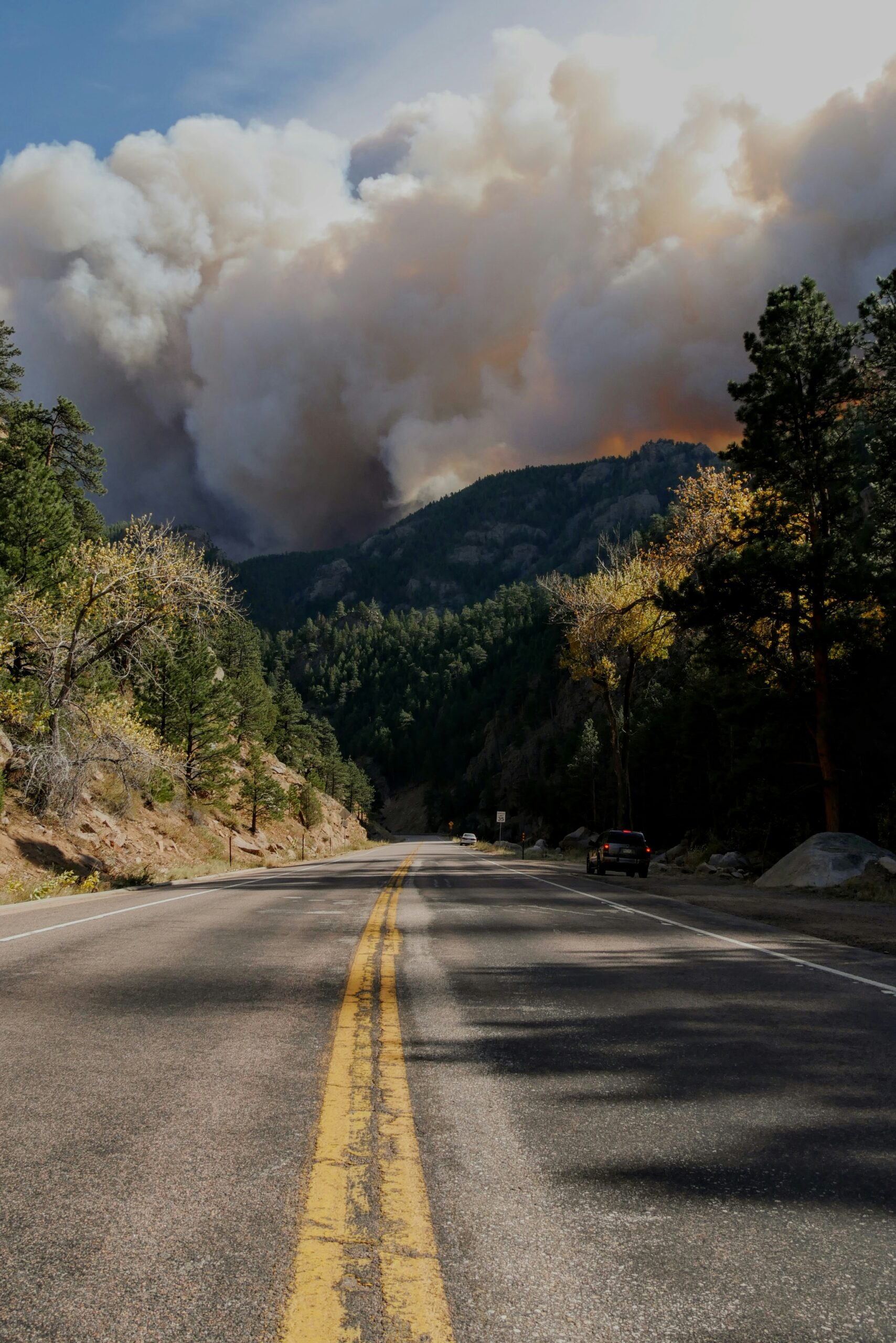
As the wildfire razes Melbourne's suburbs, it spares no one, pushing families like the Humes into the small, unassuming town of Inverness. In 'Burnt Out', Elinor Hume’s journey is one of survival, moral dilemmas, and familial strife against a gripping backdrop of disaster. Set amidst catastrophic bushfires that test human resilience and community dynamics, the novel juxtaposes personal and societal challenges blending literary fiction with elements of dark comedy.
The Protagonist: A Woman in Crisis
Elinor, a seasoned journalist, is thrust into the role of a community leader as she navigates the chaos of disaster response. Her skills are essential:
- Crisis Management: With her rich background in covering disasters, Elinor coordinates resources, negotiating with officials and directing supplies to keep the refugee camp operational.
- Leadership: Her ability to inspire is paramount, yet it leads to her increasing absence in her children’s lives.
- Ethical Dilemmas: As resources dwindle, Elinor faces morally challenging decisions that force readers to question the cost of survival.
Family Dynamics in Crisis
The narrative delves into the struggles of the Hume family as they grapple with their roles during the crisis:
- Kim’s Withdrawal: Elinor’s husband battles depression, drifting further away as Elinor becomes the community's backbone.
- Children’s Adaptations: Each child reacts uniquely to the chaos, leading to conflicting relationships with their mother:
- June: Engages with the medical response, finding purpose in aiding others.
- Thomas: Uncovers his technical skills, hinting at his desire for independence from his parents.
- Eve: Activating a black market for supplies signals her shift towards self-sufficiency.
Confronting Moral Consequences
As Elinor’s decisions lead to unavoidable consequences—stolen medical supplies meant for others—she must face the reality of her choices:
- Jaxon Weever’s Challenge: A local leader challenging Elinor shapes the story, illustrating how decisions can ripple through communities.
- Family Separated by Crisis: The decisions made affect each family member’s view of survival and loyalty, leading to a poignant exploration of disconnection.
Literary Influences and Themes
'Burnt Out' doesn’t just tell a story of survival; it challenges readers to reflect on:
- Humanity in Disasters: Examining what choices we make when survival is at stake.
- Importance of Community: Highlighting how disasters often bring people together, but also expose deep-seated tensions.
- Parental Responsibility: Questions about what it means to be a good parent amid chaos.
Conclusion: What Lies Ahead for the Humes?
'Burnt Out' challenges its audience not just to consider the physical aspects of catastrophe but to confront the emotional repercussions that follow. As Elinor’s indispensable role transforms into a complex web of ethical questioning, the novel promises to engage readers, leaving them pondering its core questions long after the final page is turned. With its dark comedic tone set against an Australian landscape, 'Burnt Out' is certainly one to watch in the realm of literary fiction.